Butter Croissants From Scratch
Highlighted under: Sweet Table Classics
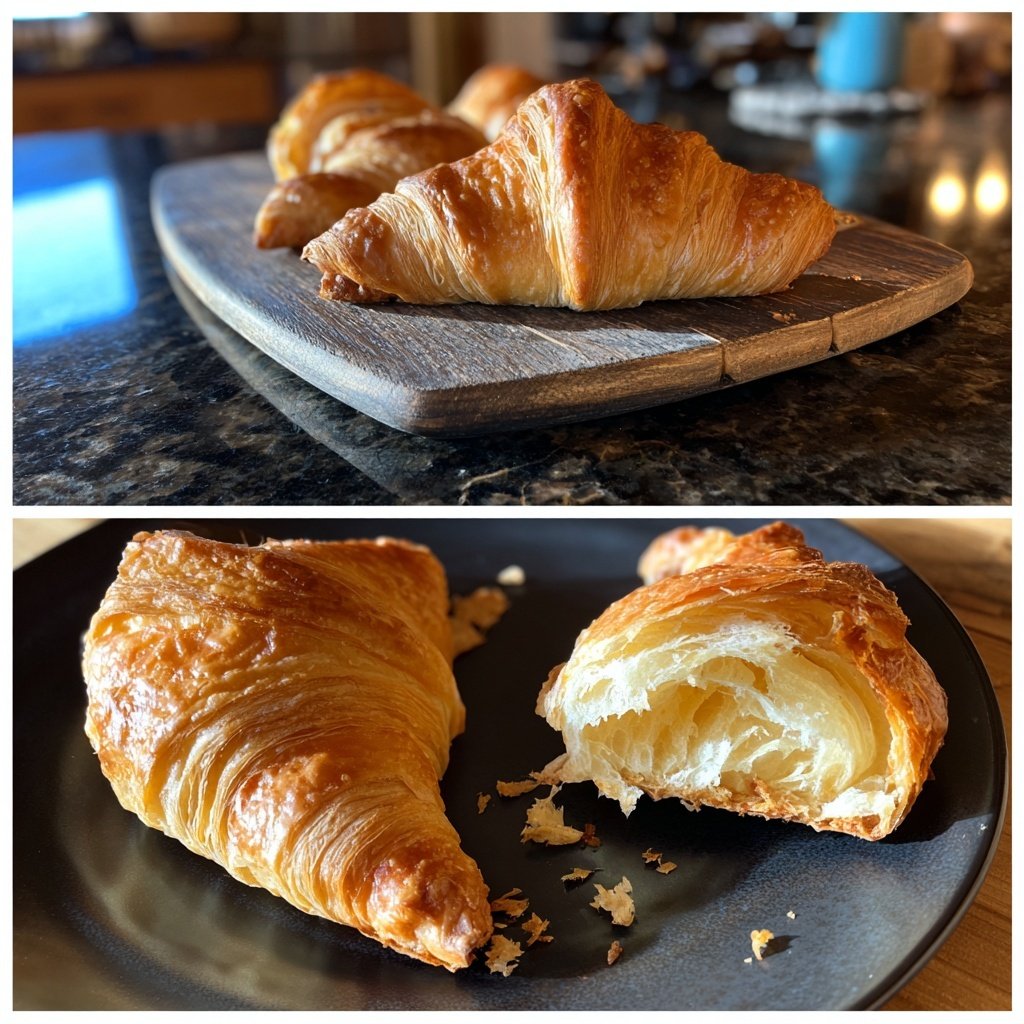
I love the aroma of freshly baked croissants wafting through the kitchen, and making my own croissants from scratch is always a rewarding adventure. Every bite of flaky goodness brings back memories of pastry shops in Paris, where the buttery layers practically melt in your mouth. While the process may seem daunting, I’ve discovered that with a little patience and attention, anyone can master the art of croissant making. Let’s roll up our sleeves and create these delightful treats that will impress family and friends alike!
When I first attempted making croissants, I was both excited and intimidated. The delicate process of laminating dough seemed overwhelming, but with practice, I found it to be therapeutic. I also learned that using cold butter is key to achieving those flaky layers that everyone loves. The satisfaction of seeing my croissants puff up in the oven is beyond rewarding!
During my subsequent tries, I experimented with different resting times and realized that letting the dough chill longer really enhances the flavor and texture. Each batch has brought me closer to the perfect balance of crispness and buttery richness. Trust me, the effort is worth every bite!
Why You Will Love This Recipe
- The irresistible aroma of butter and pastry fills your kitchen.
- Each bite offers a perfect blend of crispiness and chewiness.
- Making croissants from scratch impresses everyone who tastes them.
Mastering the Dough
Creating the perfect croissant dough is pivotal to achieving that flaky texture we all love. When combining your dry ingredients, ensure they are well mixed before adding the warmed milk. This allows the yeast to activate evenly. Kneading the dough for five minutes until it's smooth is crucial; this develops gluten, giving your croissants structure. The resting period in the refrigerator is just as important as it prevents the butter from melting during the rolling process, ensuring distinct layers.
If you're looking to troubleshoot your dough, pay attention to the temperature. If your dough is too sticky to handle, you may need to increase the flour by small increments. Conversely, if it's too dry, a splash of warm milk can help. Remember to keep an eye on the elasticity; a well-kneaded dough should bounce back when poked. Ensuring the butter layers remain cold will also facilitate a successful lamination later on.
The Art of Lamination
Laminating the dough properly is what creates the signature flakiness in your croissants. After placing the cold butter between parchment paper, ensure it is rolled out to a uniform thickness. This helps in achieving even layers; if the butter layer is uneven, you may end up with inconsistent results. When folding the dough, the key is to be gentle yet firm to avoid tearing. Each fold traps air pockets, which will puff up beautifully during baking.
Take your time when rolling out the dough after each fold. It's essential to roll away from you, exerting gentle pressure. Make sure to dust your surface with flour to prevent sticking. If you notice that the dough becomes resistant, give it a brief chill before rolling again. This keeps the layers intact and ensures your croissants will rise beautifully in the oven.
Final Touches and Storage
Before baking, applying the egg wash is a crucial step for achieving that coveted golden brown finish. Make sure the egg is well-beaten to achieve an even appearance. Brush lightly over the croissants, avoiding excess which could cause them to lose their crispness. Keeping an eye on your croissants as they bake is important; they typically need about 20-25 minutes but can vary based on your oven’s quirks. Look for a deep golden color and a glorious, flaky texture.
If you have leftover croissants, they can be stored in an airtight container at room temperature for up to two days. For longer storage, freeze them right after baking; just wrap them well in plastic wrap and then in aluminum foil. When you're ready to enjoy them again, simply reheat in a preheated oven at 350°F (175°C) for about 10 minutes. This will bring back that freshly baked quality.
Ingredients
Gather the following ingredients before you start baking:
For the Dough
- 4 cups all-purpose flour
- 1/4 cup granulated sugar
- 2 teaspoons salt
- 1 tablespoon instant yeast
- 1 1/4 cups whole milk, warmed
- 1 cup unsalted butter, cold and divided
- 1 egg, for egg wash
Make sure to follow the steps carefully for the best results!
Instructions
Follow these steps to prepare your buttery croissants:
Make the Dough
In a large mixing bowl, combine flour, sugar, salt, and yeast. Add warmed milk and mix until a dough forms. Knead for about 5 minutes until smooth. Shape into a ball, cover with plastic wrap, and let it rest in the fridge for 1 hour.
Prepare the Butter Layer
While the dough chills, take 2/3 cup of cold butter and place it between two sheets of parchment paper. Roll it out into a rectangle, about 1/2 inch thick. Chill again for 30 minutes.
Laminate the Dough
Roll the chilled dough into a rectangle, about double the size of the butter layer. Place the butter layer in the center and fold the dough over it, sealing the edges. Roll out again gently to a large rectangle and fold into thirds. Repeat this process two more times, chilling for 30 minutes between each fold.
Shape the Croissants
After the final roll, cut the dough into triangles. Starting from the wider end, roll each triangle tightly towards the tip. Place on a baking sheet lined with parchment paper and let rise for 1 hour.
Bake
Preheat your oven to 400°F (200°C). Brush the croissants with the beaten egg and bake for 20-25 minutes or until golden brown. Enjoy warm!
These croissants are best served fresh, but can also be stored for later!

Pro Tips
- For extra flavor, consider incorporating herbs or cheese into the dough. Making sure your butter and dough remain cold throughout the process is crucial for achieving those flaky layers.
Ingredient Insights
Using high-quality butter is critical for an authentic croissant flavor. I prefer unsalted butter as it allows full control over the saltiness of the dough. The fat content should be higher than that of regular butter, which leads to satisfying layers. If you're looking for a dairy-free option, you could substitute with a vegan butter alternative, but be aware the layers may not be as flaky. Additionally, ensure your instant yeast is fresh to guarantee proper rising.
All-purpose flour is a great choice for croissants, but if you want a slightly denser texture, consider using bread flour. Its higher protein content helps in gluten formation, giving you a chewier bite. Remember that measuring flour could affect results; using the spoon-and-level method is ideal to avoid excess flour, which can dry out the dough and impact flakiness.
Serving Suggestions
Croissants are incredibly versatile, and while they are delightful on their own, feel free to get creative! Try stuffing them with chocolate, almond paste, or even savory fillings like ham and cheese before rolling them up. These variations can add an exciting twist to your baking. Serve them warm for breakfast alongside a cup of coffee or tea, and watch as everyone savors the delightful buttery layers.
If you want a special treat, consider turning leftover croissants into a French toast. Simply soak them in an egg mixture and cook on a griddle for a delightful breakfast option. You can also sprinkle them with powdered sugar or drizzle with maple syrup for extra sweetness. This delicious transformation showcases the versatility of croissants, making them a standout addition to any brunch table.
Questions About Recipes
→ Can I use whole wheat flour instead of all-purpose flour?
Yes, but the texture might differ. Whole wheat flour may result in denser croissants.
→ How long can I store the baked croissants?
Baked croissants can be stored at room temperature for 1-2 days or frozen for longer freshness.
→ Is it necessary to chill the dough?
Yes, chilling allows the gluten to relax and helps maintain the butter's structure, resulting in flakier layers.
→ Can I make the dough ahead of time?
Absolutely! You can prepare the dough and shape the croissants, then refrigerate them overnight before baking.
Butter Croissants From Scratch
Created by: Evelyn Parker
Recipe Type: Sweet Table Classics
Skill Level: Intermediate
Final Quantity: 12 croissants
What You'll Need
For the Dough
- 4 cups all-purpose flour
- 1/4 cup granulated sugar
- 2 teaspoons salt
- 1 tablespoon instant yeast
- 1 1/4 cups whole milk, warmed
- 1 cup unsalted butter, cold and divided
- 1 egg, for egg wash
How-To Steps
In a large mixing bowl, combine flour, sugar, salt, and yeast. Add warmed milk and mix until a dough forms. Knead for about 5 minutes until smooth. Shape into a ball, cover with plastic wrap, and let it rest in the fridge for 1 hour.
While the dough chills, take 2/3 cup of cold butter and place it between two sheets of parchment paper. Roll it out into a rectangle, about 1/2 inch thick. Chill again for 30 minutes.
Roll the chilled dough into a rectangle, about double the size of the butter layer. Place the butter layer in the center and fold the dough over it, sealing the edges. Roll out again gently to a large rectangle and fold into thirds. Repeat this process two more times, chilling for 30 minutes between each fold.
After the final roll, cut the dough into triangles. Starting from the wider end, roll each triangle tightly towards the tip. Place on a baking sheet lined with parchment paper and let rise for 1 hour.
Preheat your oven to 400°F (200°C). Brush the croissants with the beaten egg and bake for 20-25 minutes or until golden brown. Enjoy warm!
Extra Tips
- For extra flavor, consider incorporating herbs or cheese into the dough. Making sure your butter and dough remain cold throughout the process is crucial for achieving those flaky layers.
Nutritional Breakdown (Per Serving)
- Calories: 250 kcal
- Total Fat: 14g
- Saturated Fat: 8g
- Cholesterol: 30mg
- Sodium: 205mg
- Total Carbohydrates: 28g
- Dietary Fiber: 1g
- Sugars: 1g
- Protein: 6g